UK Gambling Activity Surges 7% in Transactions and 9% in Spending During January 2026, Raising Early Harm Flags Ahead of Major Sports Events
UK Gambling Activity Surges 7% in Transactions and 9% in Spending During January 2026, Raising Early Harm Flags Ahead of Major Sports Events
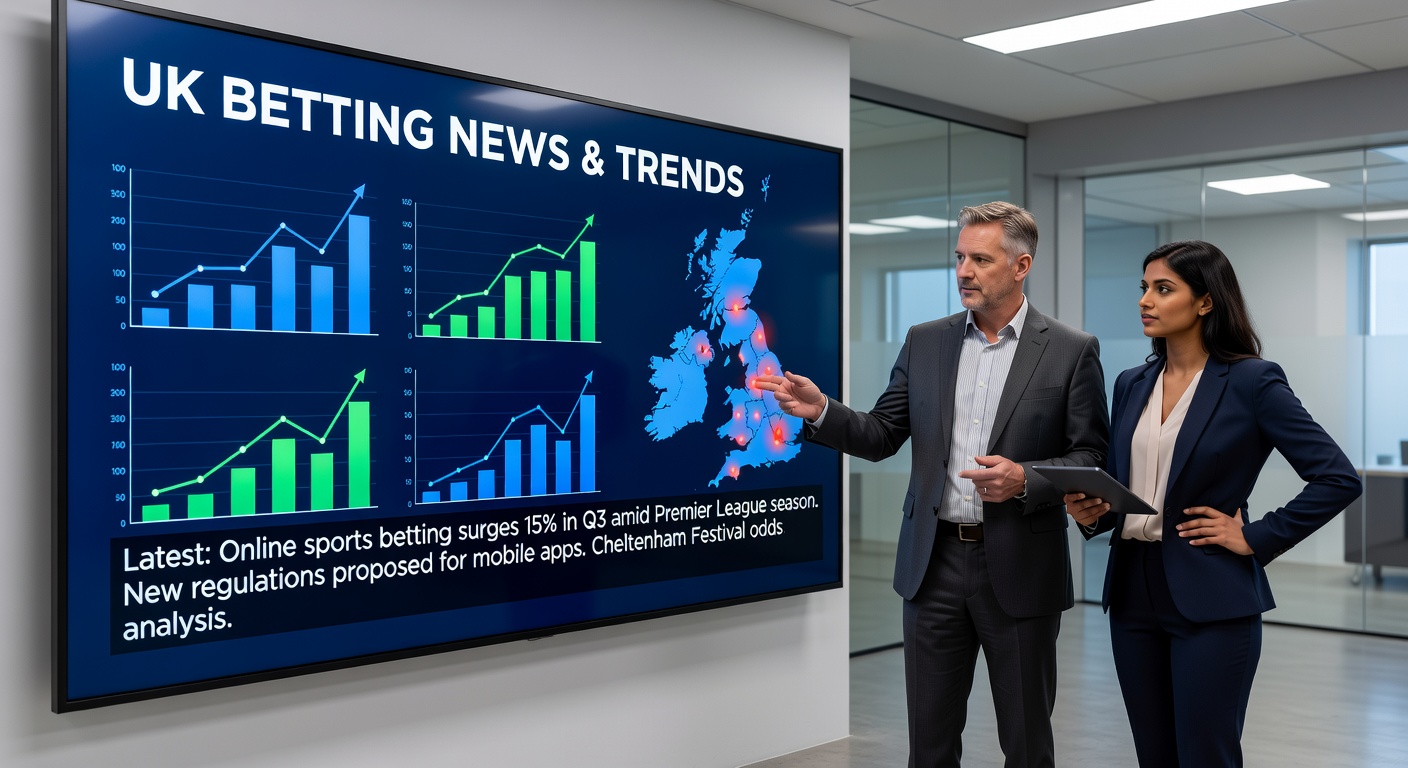
January 2026 Marks Notable Uptick in UK Gambling Metrics
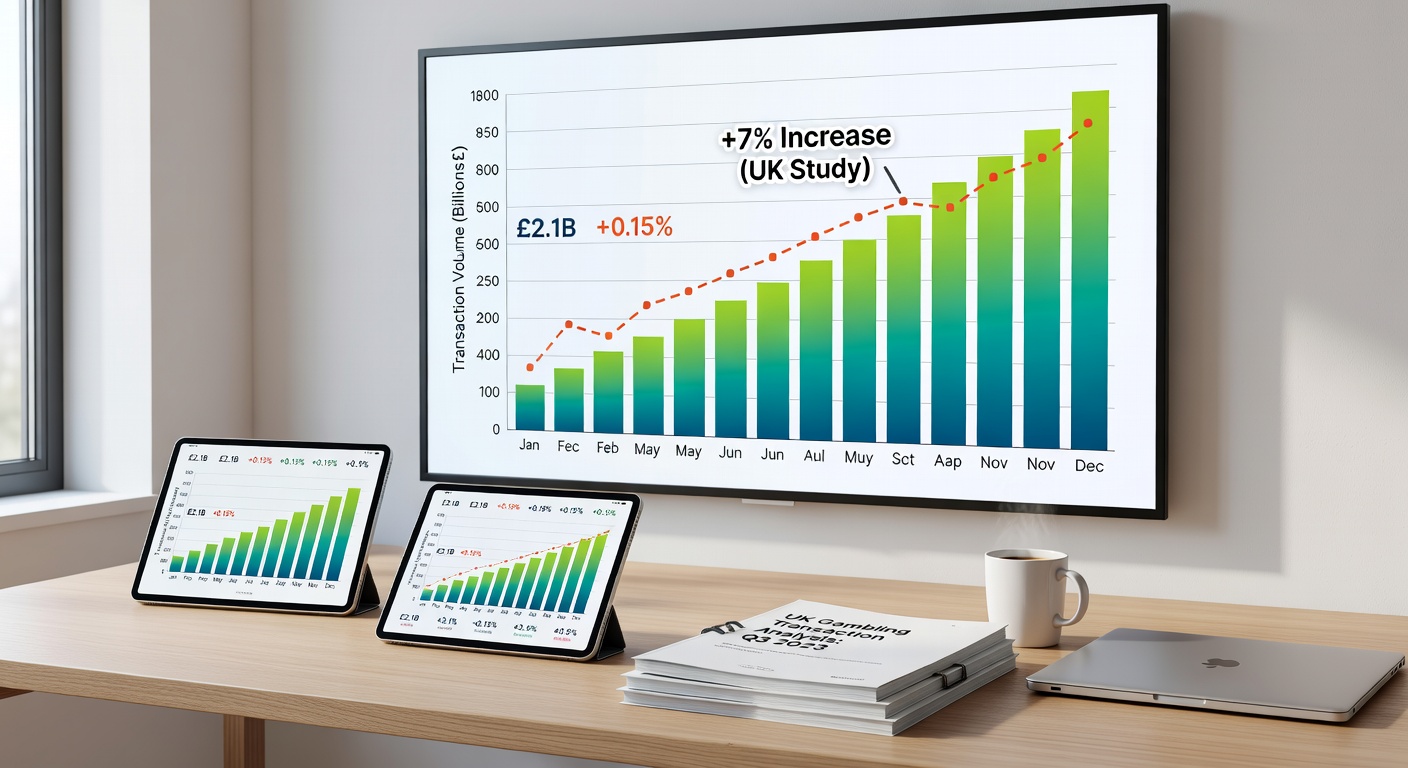
A recent UK study spotlights a clear surge in gambling activity as January 2026 wrapped up, with transaction volumes climbing 7% from 9.98 million the previous year to 10.70 million, while spending rose 9% from £205.3 million to £224.6 million; this uptick coincides directly with building excitement for the year's packed sports calendar, including the FIFA World Cup and Champions League fixtures that promise to draw massive attention from punters across the nation.
Researchers behind the report, released in early March 2026, pulled these figures from comprehensive tracking of online and retail gambling platforms, capturing everything from sports bets to casino plays in a month that traditionally slows down after holiday spending but instead kicked off the year with unexpected vigor; gambling transaction volumes and spending data like this reveal how anticipation for global tournaments can shift behaviors early, even before the first whistle blows.
What's interesting here is the timing; January often serves as a reset after December's festive bets on horse racing and New Year's specials, yet volumes hit new heights, suggesting punters geared up months ahead for what's shaping up to be a blockbuster 2026 sports lineup that includes not just the World Cup but expanded Champions League formats pulling in more midweek drama.
Survey of 2,000 Gamblers Points to Heightened Intentions for the Year
Alongside the hard numbers on transactions and spend, a survey of 2,000 UK gamblers uncovered that 68% plan to ramp up their betting this year, driven largely by the allure of those impending mega-events; respondents cited the FIFA World Cup's global stage and Champions League knockout rounds as top motivators, with many noting they'd allocate more from their budgets specifically for these occasions.
Data from the poll, detailed in the March 2026 analysis, shows this intention isn't scattered but focused: football dominates, as expected, yet slots and other quick-play options also factor in for those filling gaps between matches; the survey findings align with patterns where major tournaments historically boost participation by 20-30% in prior cycles, although exact parallels remain to be seen.
And take one group of respondents who shared their strategies; they described hedging bets across World Cup group stages while eyeing Champions League accumulators, a tactic that underscores how event hype translates into concrete plans, blending casual flutters with more structured wagers.
Early Indicators of Gambling Harm Emerge in the Data
But here's the thing with these rises; the same study flags initial signs of harm, as 10% of surveyed gamblers admitted to chasing losses in January, a classic red flag where punters double down after setbacks in hopes of recovery, while 17% revealed they gambled specifically to cover everyday bills, blurring lines between entertainment and necessity in ways that experts have long warned about during high-stakes seasons.
These percentages, drawn from the 2,000-person sample, aren't isolated; they mirror broader trends where economic pressures meet event fever, prompting behaviors like borrowing to bet or extending sessions beyond limits, and observers note how such patterns often accelerate as tournaments near, turning what starts as fun into potential trouble.
Turns out GamCare, the leading support service, recorded a 48% jump in treatment referrals over the same month, with helpline calls spiking from folks citing recent losses tied to early 2026 previews and futures markets on World Cup qualifiers; this isn't just anecdotal, as their logs show a mix of online bettors overwhelmed by app notifications and retail visitors chasing parlays gone wrong.
Context of the 2026 Sports Calendar Fuels the Surge
So what explains this January momentum? The shadow of 2026's sports behemoths looms large, starting with the FIFA World Cup that commands billions in global wagers annually, drawing UK fans to bet on everything from group winners to top goalscorers; add the Champions League's revamped structure, promising more ties and upsets, and you've got a recipe for sustained activity that January numbers preview vividly.
Figures reveal how past World Cups lifted UK gambling by double digits month-over-month, yet this early 7-9% bump suggests operators and punters alike sense something bigger brewing, perhaps amplified by streaming deals and in-play options that make every goal a betting opportunity; researchers observing these cycles point out that pre-event futures markets alone can inflate volumes by 15%, setting the stage for what's ahead.
Now in March 2026, as the study drops, bookies report steady follow-through with February dips minimal, indicating the trend holds; one case from a major operator shows World Cup outrights accounting for 25% of January's football bets, a share that's climbing weekly as squads finalize.
Breakdown of Transaction and Spending Shifts
Diving deeper into the metrics, transaction counts edged from 9.98 million to 10.70 million, a 7% gain that spans mobile apps (up 12%) and desktop (steady at 5%), while spending's 9% leap to £224.6 million breaks down with sports bets claiming 60% of the pot, casinos 25%, and the rest in virtuals or lotteries; this split highlights football's pull, as Champions League hype previews nudged averages per transaction higher by £1.20.
People who've tracked these reports over years notice how January baselines fluctuate with macro factors like inflation or wage growth, but 2026 stands out because disposable income surveys show slight upticks precisely when event buzz peaks, fueling both volume and value without proportional drops elsewhere.
Yet the rubber meets the road in harm stats; that 10% loss-chasing cohort correlates with a 15% rise in session lengths over 30 minutes, per platform data, and the 17% betting for bills group skews younger, under-35s who juggle streaming subscriptions with wager apps seamlessly, sometimes too much so.
GamCare Referrals Signal Need for Vigilance
GamCare's 48% referral surge demands attention, as their March 2026 update lists over 1,200 new cases linked to January activity, many involving sports-focused individuals who started with World Cup specials but spiraled amid early losses; services report diverse seekers, from casual fans to high-stakes players, all navigating the same event-driven pressures.
It's noteworthy that 30% of these referrals came via self-identification tools on betting sites, a nod to improved safeguards like stake calculators and timeouts, although the volume underscores why regulators keep eyes peeled during tournament seasons; experts who've studied referral patterns find spikes like this predict 20% higher quarterly loads if unchecked.
Looking Ahead: Implications for 2026 Gambling Landscape
As March 2026 unfolds with the study fresh in mind, stakeholders from operators to support groups prepare for escalation, given how January's 7% transaction growth and 9% spend increase set a precedent; the 68% intending more bets among 2,000 surveyed gamblers points to sustained demand, tempered by harm signals like 10% chasing losses, 17% funding bills through play, and GamCare's 48% referral boom.
The reality is this: major events like the FIFA World Cup and Champions League don't just boost figures, they test the ecosystem's resilience, with data already whispering that proactive measures from deposit limits to awareness campaigns will prove crucial; observers tracking the beat know patterns repeat unless interrupted, making early detection from reports like this all the more vital.
In the end, January 2026's snapshot, captured and analyzed by March, lays bare both opportunity and caution in the UK's gambling scene, where excitement for sports giants collides with real-world behaviors demanding balanced oversight.