
UK Online Sports Betting Hits New Heights in 2026: 10% Participation and £16.8 Billion GGY Breakdown
The Surge in Participation: One in Ten Brits Betting Online
Recent figures for 2026 reveal that 10% of the UK population now engages in online sports betting, marking a notable uptick in everyday involvement; this equates to millions tuning into apps and sites for wagers on matches and events, while sports betting stands out as the top draw with 47% of all remote gambling participants choosing it over other options.
What's interesting here is how football commands the spotlight, pulling in £1.1 billion in gross gambling yield (GGY) alongside a 5.8% participation rate across the population; observers note that this dominance reflects longstanding fan loyalties, especially as Premier League and Championship games fuel the action even into March 2026 with its packed fixture lists and cup runs.
And yet, the broader remote betting sector generated a staggering £16.8 billion in GGY last year, underscoring how digital platforms have transformed casual punting into a massive economic force; data from Limelight Digital highlights this shift, showing sports bets leading the charge while slots and casino games trail behind.
Monthly Betting Volumes Skyrocket: 290 Million Wagers and Counting
Monthly online bets on real sporting events now exceed 290 million in the UK, a volume that speaks to the relentless pace of engagement; punters place these wagers predominantly through mobile devices, turning commutes, halftime breaks, and post-match analyses into betting opportunities seamlessly integrated into daily routines.
Take the 18-24 age group, where 76% rely on phones for their bets, making smartphones the gateway for younger crowds dipping into football accumulators or in-play markets; this mobile-first trend accelerates during high-stakes periods like March 2026's international breaks and domestic derbies, where live odds fluctuate wildly and draw record traffic.
Experts tracking these patterns have observed how such accessibility boosts overall activity, yet the numbers stay grounded in regulated channels; according to related Gambling Commission statistics on participation, past waves confirm steady growth without unchecked spikes.
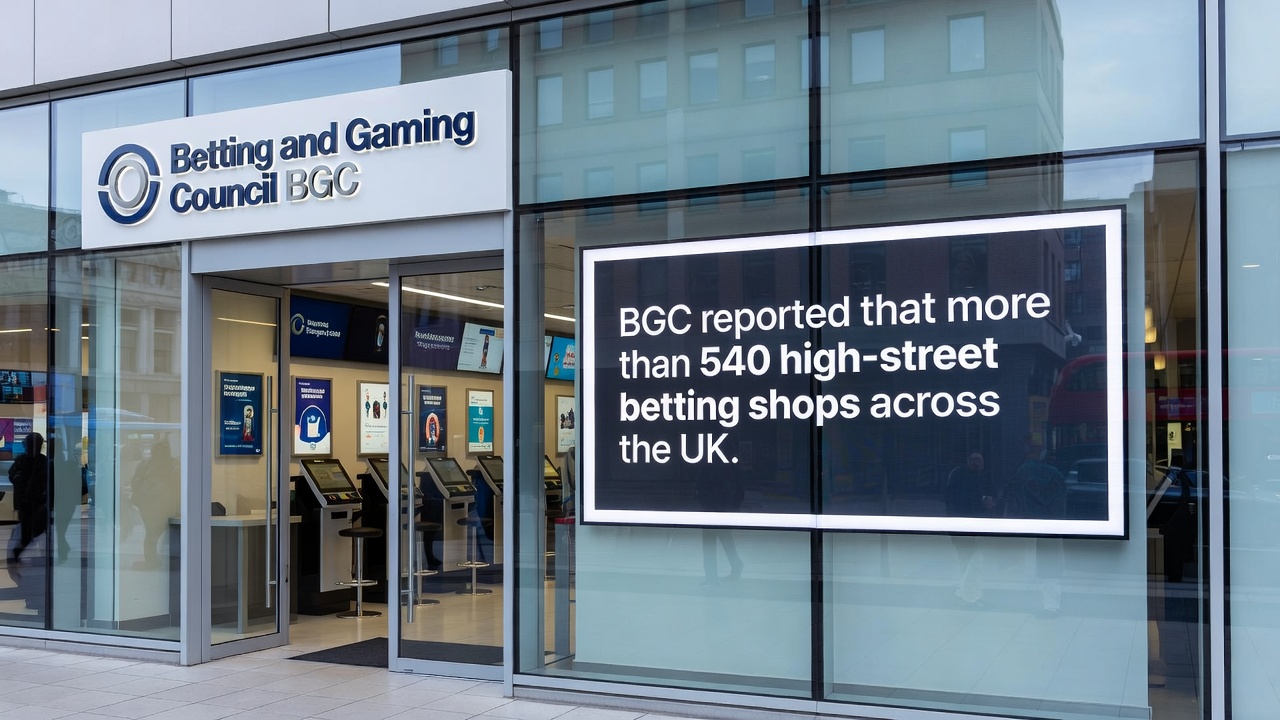
Football's Unrivaled Pull: £1.1 Billion GGY and Beyond
Football remains the undisputed kingpin, with its £1.1 billion GGY reflecting not just volume but sustained interest across leagues; from Premier League thrillers to lower-tier surprises, 5.8% of the UK population participates monthly, often layering bets on goals, cards, or corners that keep the yields rolling in.
But here's the thing: this leadership extends to real-event betting overall, where sports eclipse virtual games or esports in popularity; researchers analyzing Limelight Digital's dataset point out how seasonal peaks, like those hitting in March 2026 amid FA Cup quarterfinals and title races, amplify football's share even further, drawing in both seasoned punters and newcomers alike.
People who've studied these cycles often discover that halftime adjustments and injury updates create mini-booms in activity, pushing monthly totals past 290 million; it's no surprise then that operators prioritize football markets, stocking apps with live streams and stats feeds to capture every moment.
Mobile Dominance Among the Young: 76% and Rising
Among 18-24-year-olds, 76% of online sports bets happen via mobile, a figure that underscores generational shifts toward on-the-go gambling; these users favor quick taps on Premier League overs or player props, blending social media scrolls with wager placements in a way that's second nature now.
Turns out, this demographic drives much of the 47% sports betting participation rate within remote gambling, as apps deliver personalized odds and promotions tailored to their habits; data indicates football leads their choices too, with £1.1 billion GGY partly fueled by youthful enthusiasm for weekend accumulators or midweek Champions League ties.
So while older groups stick to desktops occasionally, the young brigade's mobile reliance propels the overall 10% population figure, especially as 5G networks make lag-free in-play betting a reality even during packed March 2026 schedules.
Problem Gambling Stays Low: 0.5% Rate Offers Context
Amid the growth, problem gambling holds steady at 0.5%, a low rate that figures from Limelight Digital emphasize across the online sports betting landscape; this statistic reassures regulators and participants alike, showing most activity remains recreational despite the £16.8 billion GGY scale.
Those monitoring trends note how tools like deposit limits and self-exclusion, mandated by UK rules, contribute to this stability; even with 290 million monthly bets flooding in, the 0.5% figure persists, a testament to awareness campaigns hitting home particularly with the mobile-savvy 18-24 crowd.
One study highlighted cases where early interventions kept rates flat, allowing the sector's expansion; it's noteworthy that football's 5.8% participation doesn't correlate with higher risks, as data reveals balanced engagement across demographics.
Broader Implications: Economic Footprint and Future Trajectories
The £16.8 billion GGY from remote betting, topped by sports at 47% participation, positions online wagering as a key economic player in 2026 UK; football's £1.1 billion slice alone supports jobs in tech, marketing, and compliance, while 290 million monthly bets signal sustained demand heading into spring.
Now, with March 2026 bringing Europa League knockouts and promotion battles, observers expect mobile volumes to swell further among the 76% youth segment; yet the low 0.5% problem rate provides a steady backdrop, ensuring growth aligns with safeguards.
Experts who've crunched these numbers often point to diversification too, as tennis or horse racing nibble at edges, but football's throne remains secure; the reality is, 10% population involvement sets a benchmark, one that's likely to evolve with tech upgrades and event calendars.
Key Takeaways from 2026 Stats
In wrapping up, the data paints a picture of robust, mobile-driven sports betting in the UK, where 10% participate online, football yields £1.1 billion at 5.8% involvement, and totals hit £16.8 billion GGY with 290 million monthly real-event bets; the 76% mobile usage by 18-24s highlights youth leadership, all while problem gambling lingers at just 0.5%.
This snapshot, drawn from Limelight Digital's comprehensive review, underscores a mature market thriving responsibly; as March 2026 unfolds with its football frenzy, these trends offer a clear lens on where punters' interests lie, and where the action heads next.