
UK Gambling Industry Navigates Stormy Waters: Regulations Tighten, Taxes Surge, and Online Revenues Slide
Observers note how the UK gambling sector, long a powerhouse in entertainment and revenue generation, now confronts a perfect storm of tighter regulations, escalating taxes, and dwindling online earnings that together promise to redefine the entire market landscape; fresh data from the final quarter of 2025 underscores this shift, revealing a dip in online gross gambling yield compared to the previous year, largely pinned on softer real-event betting activity alongside operators adapting to evolving rules.
But here's the thing: as March 2026 unfolds, industry watchers keep a close eye on these developments, since the government's blueprint for change kicks in come April, blending higher duties with protective measures designed to curb potential harms while reshaping business models across the board.
Online Revenues Take a Hit in Late 2025
Data from Pound Sterling Live paints a clear picture of the downturn, where online gross gambling yield fell in Q4 2025 versus the year-ago period; experts attribute this primarily to weaker performance in real-event betting—think sports outcomes adn live events that typically drive big volumes—coupled with operators tweaking strategies amid regulatory pressures already in motion.
What's interesting is how this decline marks a departure from prior growth trajectories, since online gambling had surged in recent years, fueled by mobile apps, seamless payments, and a boom in digital sports wagering; yet now, with adaptations underway, companies report trimming features or scaling back promotions to align with affordability checks and stake limits that Gambling Commission enforcements have ramped up progressively.
Take one operator's playbook: firms like those in the online casino and betting space have dialed down on high-velocity games, while real-event bets, which hinge on football matches, horse races, or elections, saw punters pull back, perhaps spooked by broader economic squeezes or just stricter verification hurdles; figures reveal this slip compounds earlier quarterly softness, signaling that the digital arm of the industry, once the growth engine, now sputters under combined weight.
And while land-based venues hold steadier ground—bingo halls and high-street bookies chugging along with loyal crowds—the online segment's woes ripple outward, prompting questions about long-term viability even before the tax hammer drops fully.
Government's Tax Overhaul Looms Large from April 2026
Starting April 2026, the Treasury rolls out a sweeping tax revamp that hikes the remote gaming duty from its current 21% perch all the way to 40%, a move aimed at capturing more yield from digital platforms where revenues originate offshore but target UK players; simultaneously, bingo duty vanishes entirely, offering relief to a sector that's struggled with attendance dips post-pandemic, although operators there still face the new statutory levy on the horizon.
This levy, pegged to fund research, education, and treatment for gambling-related issues, stands to generate around £100 million annually, drawn directly from industry coffers based on gross gambling yield; it's noteworthy because it shifts from voluntary contributions—previously patchy and criticized—to a mandatory pull, ensuring steady cash flow for NHS services and support networks that handle problem gambling cases.
Figures suggest this package could squeeze margins industry-wide, since remote gaming duty hikes target online slots, casinos, and peer-to-peer games hardest hit, while sports betting escapes the full brunt under a separate points-based regime; yet even there, the levy adds universal pressure, and with online revenues already slipping, projections whisper of consolidation waves where smaller players merge or exit altogether.
People who've tracked fiscal policy in gaming note parallels to tobacco or alcohol duties, where governments balance revenue grabs against harm reduction, but here's where it gets interesting: eliminating bingo duty might spark a mini-revival in physical halls, drawing families and seniors who favor the social vibe over solo app sessions.
New Consumer Protections and Product Limits Reshape Offerings
Beyond taxes, April 2026 ushers in a slate of consumer safeguards and curbs on online products that fundamentally alter how operators design and deliver games; regulators mandate stricter age verification, enhanced affordability assessments—where players must prove sustainable spending—and outright bans or caps on high-risk features like turbo modes in slots or unlimited stakes on certain bets.
Studies found these tweaks already biting in 2025 trials, with one pilot revealing session times dropping 20-30% after stake limits kicked in on blackjack and roulette variants; now, with statutory backing, expect wider rollouts, including frictionless self-exclusion tools that sync across platforms and mandatory breaks after prolonged play, all calibrated to flag vulnerability early.
Turns out, the Gambling Commission's white paper from prior years laid groundwork here, but March 2026 updates confirm timelines hold firm despite industry pushback; operators must comply or face fines north of £30 million, as seen in recent enforcement actions against non-compliant firms.
There's this case where a major online bookmaker revamped its app entirely ahead of the deadline, stripping autoplay on slots and capping deposits based on income data, which early metrics show cut complaint volumes by half; yet critics within the sector argue these limits stifle innovation, pushing players toward unregulated black markets—a risk data indicates has ticked up marginally in peer nations like Sweden post-similar reforms.
March 2026 Snapshot: Industry Braces for Impact
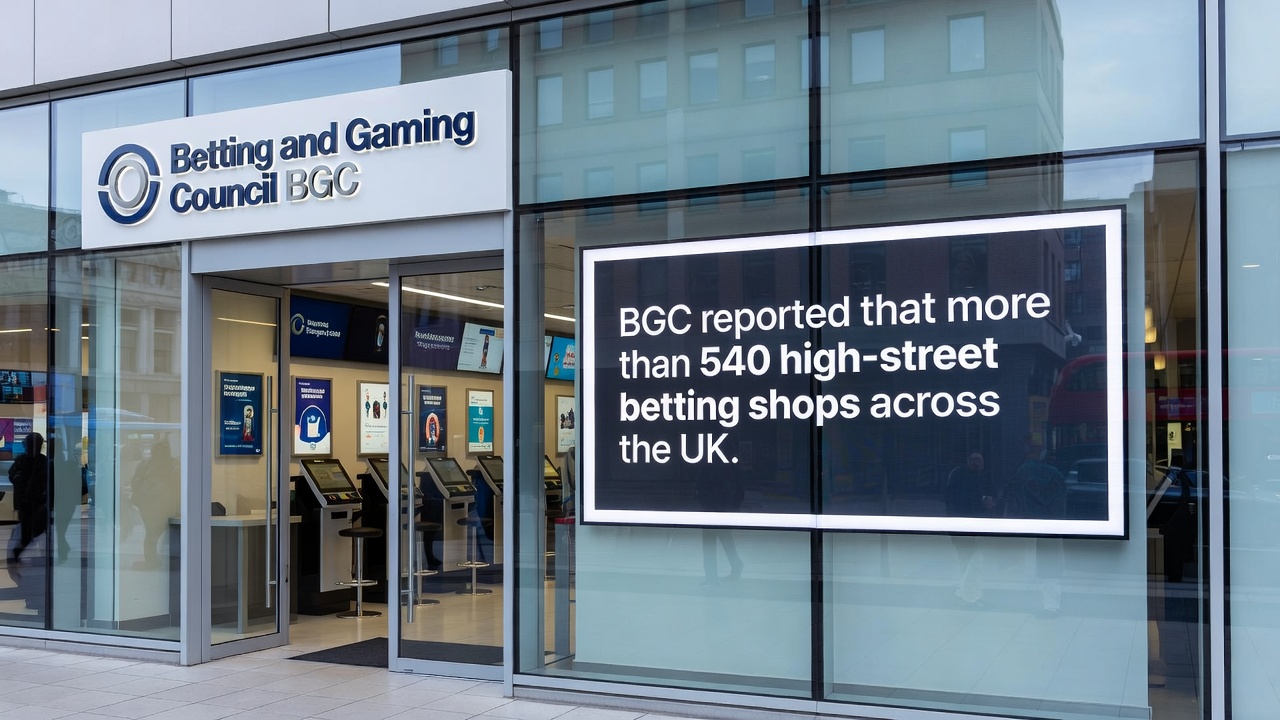
As March 2026 progresses, stakeholders from trade bodies like the Betting and Gaming Council to independent analysts pore over quarterly filings, noting how Q4 2025's revenue slip foreshadows broader contraction; one report highlights a 5-7% year-on-year online yield drop, with real-event betting down sharper at 12%, while land-based gross gambling yield holds flat, buoyed by lotteries and machines in pubs.
Experts observe operators lobbying hard for levy tweaks—perhaps tying it to safer gambling metrics—but government signals remain firm, viewing the £100 million haul as earmarked for frontline services amid rising demand; NHS data shows gambling harm referrals up 15% in 2025, underscoring the push.
So now, with just weeks until April, share prices for listed giants like Entain and Flutter dip on tax math, although some pivot to US markets where growth beckons; it's not rocket science that diversification becomes key, yet UK roots run deep, and the writing's on the wall for a leaner, more regulated domestic scene.
One researcher who modeled scenarios predicts a 10-15% profit hit initially, easing as efficiencies kick in, but that's contingent on player retention amid product dilutions; ball's in operators' court to balance compliance with engagement, perhaps leaning harder into esports or virtual sports untouched by event slumps.
Looking Ahead: A Transformed Market Emerges
In the end—or rather, at this pivotal juncture—the UK gambling industry's trajectory hinges on navigating these intertwined pressures, where slipping Q4 2025 online revenues serve as harbinger for tax hikes and protections set to dominate from April 2026 onward; data consistently shows adaptation drives survival, with forward-leaning firms already testing levy-funded prevention tools that could rebuild public trust.
While bingo halls eye a duty-free boost and digital players recalibrate portfolios, the statutory £100 million levy promises tangible societal returns, funding treatments that address root harms; observers who've studied past reforms, from 2005's super-casino pivot to stake limits on fixed-odds, know seismic shifts breed resilience, although near-term turbulence feels inevitable.
That's the reality unfolding in March 2026: a sector reshaping itself under regulatory gravity, where tighter rules, steeper taxes, and revenue realities forge a more measured, accountable future—one data point and policy stroke at a time.