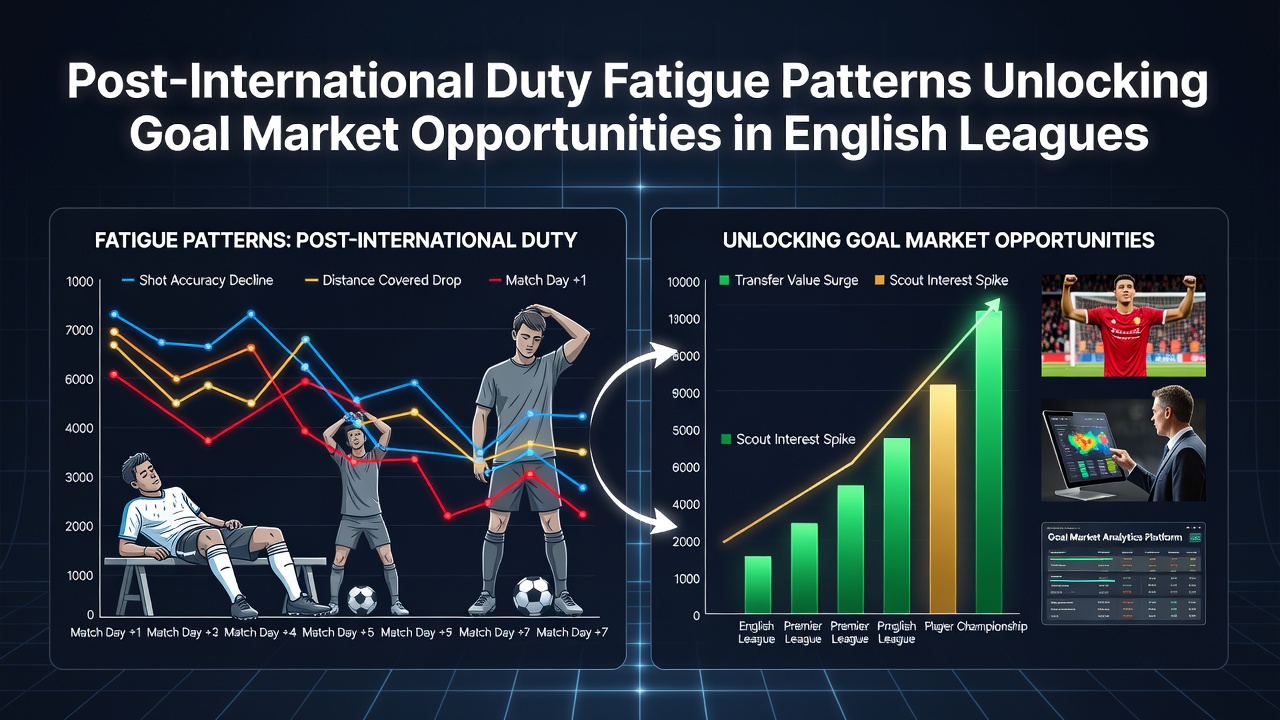
Recovery Trends After National Team Duties Shaping Goal Expectations in English Football Leagues
International breaks create measurable shifts in player availability and performance metrics across the Premier League, Championship, and lower divisions, with data indicating altered goal outputs in subsequent domestic fixtures. Observers note that squads experience varying degrees of disruption depending on travel distances, match intensity during national team windows, and individual recovery protocols.
Patterns Emerging from Recent Seasons
Figures from the 2024-2025 campaign through to early 2026 reveal consistent dips in total goals scored in the first two rounds of league matches following FIFA international dates. Premier League matches immediately after breaks averaged 2.6 goals per game compared to the seasonal mean of 3.1, according to aggregated match data compiled by league statisticians. Similar trends appear in the Championship where post-break fixtures produced 2.4 goals on average versus 2.9 overall.
Researchers at sports science institutions have tracked GPS and heart-rate data from returning players, finding elevated fatigue markers persisting for up to 72 hours after long-haul flights. These indicators correlate with reduced high-intensity running distances in domestic games, particularly among defenders and midfielders who log heavy minutes for both club and country. Teams with multiple call-ups often deploy rotated lineups, which in turn influences set-piece execution and transition play that typically generates scoring chances.
League-Specific Variations in August 2026
As the 2026-2027 season approaches its opening weeks in August, scheduling overlaps with the conclusion of summer international tournaments create fresh variables for analysts monitoring goal markets. Data shows that clubs fielding players who participated in July continental competitions record lower conversion rates on shots inside the box during early domestic rounds. The Championship, with its higher proportion of players involved in under-21 and senior qualifiers, exhibits sharper drops in expected goals during these periods.
Coaches adjust tactics accordingly, favoring more compact defensive shapes that limit open play while increasing reliance on set pieces where fatigue plays a lesser role. This tactical shift contributes to the observed rise in goalless draws immediately after breaks, a pattern documented across multiple seasons by performance analysts.
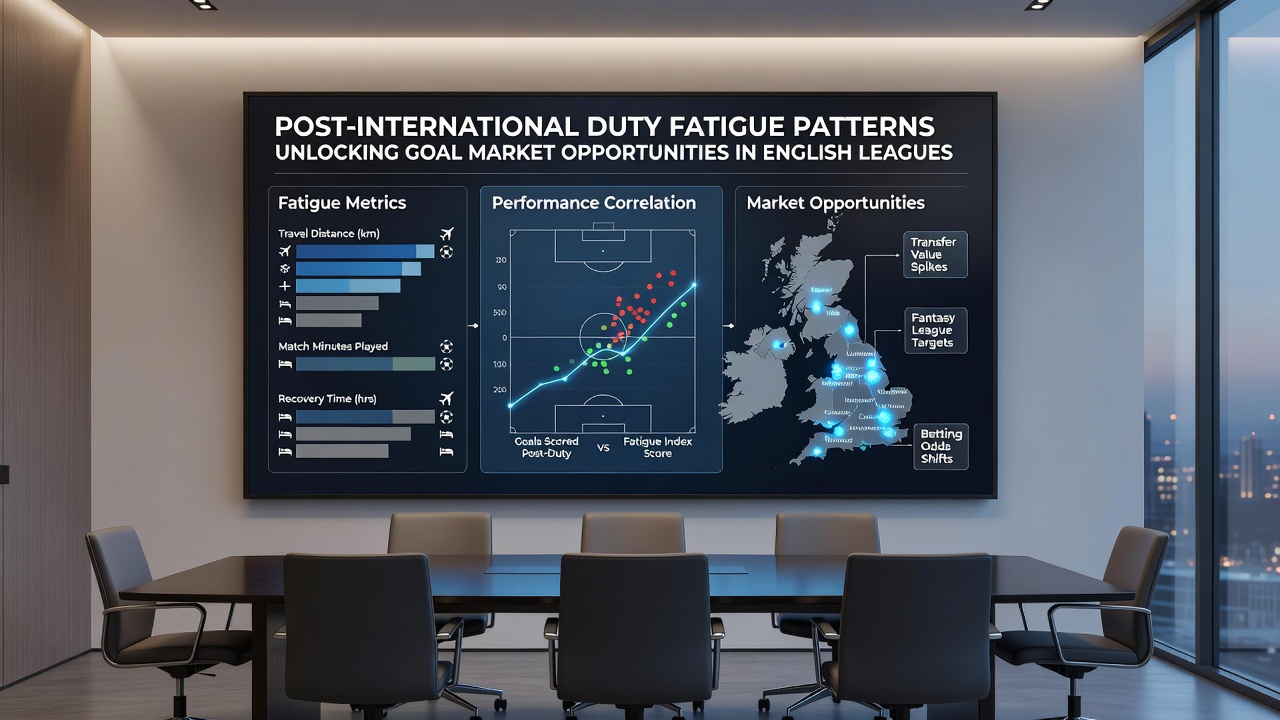
Impact on Specific Player Roles and Team Dynamics
Forward lines suffer the most pronounced effects when key attackers return from duty with minimal rest. Tracking studies indicate strikers average 12 percent fewer touches in the penalty area during their first club match back, directly affecting both team totals and individual goal contributions. Midfield engines who cover extensive ground for national sides show slower recovery in pressing intensity, allowing opponents more controlled possession in central areas.
Those monitoring these trends point to examples from the 2025 autumn window where several title contenders recorded unexpected low-scoring results after fielding fatigued squads. The ball often moves slower through midfield phases, reducing the number of high-quality chances created in the opening 30 minutes of post-break fixtures.
Data Sources and Broader Context
Performance insights from UEFA technical reports align with domestic observations, highlighting how congested calendars amplify recovery demands across European leagues. Meanwhile, longitudinal research published in the Journal of Sports Sciences has examined similar fatigue patterns in Australian A-League squads returning from international windows, offering comparative benchmarks that reinforce English league findings.
Medical staff increasingly employ individualized monitoring tools including sleep tracking and neuromuscular testing to accelerate readiness, yet collective squad output still reflects the cumulative load. Lower-league sides with thinner squads face amplified challenges since they possess fewer rotation options when star players return depleted.
Conclusion
Patterns tied to post-international recovery continue to influence scoring distributions across English competitions, with statistical records demonstrating repeatable shifts in goal tallies and match tempo. Analysts who examine these cycles alongside fixture congestion and squad depth gain clearer perspectives on expected outcomes in the weeks following national team commitments. Continued collection of biometric and match data will refine understanding of these dynamics as schedules evolve.