
UK Gambling Commission Unveils £4.3 Billion GGY for Q2 2025: Betting Shops and Remote Sectors Drive Steady Performance
Latest Quarterly Snapshot from the Gambling Commission
The UK Gambling Commission dropped its official industry statistics for the second quarter of the financial year running from April 2025 to March 2026, capturing data from July through September 2025; total gross gambling yield (GGY) clocked in at £4.3 billion across Great Britain, encompassing lotteries and all licensed operations. Gross gambling yield, which measures operator profits after payouts but before other costs, paints a clear picture of market health, and these figures come straight from licensed operators navigating the latest regulatory landscape.
Observers note how this quarterly release, available as detailed XLSX data files, underscores resilience in a sector often under the microscope; betting activities, both in shops and online, form core pillars, with non-remote betting contributing £592 million—accounting for 48.2% of the total non-remote GGY—from 5,782 operational betting shops throughout Great Britain. And while remote sectors bundle into broader categories, the remote casino, betting, and bingo (RCBB) grouping hit £2.0 billion, signaling robust digital engagement during those summer months.
What's interesting here is the breakdown's timing, landing as March 2026 approaches with its full-year close; early indicators from Q2 suggest operators gear up for annual reporting, where cumulative GGY will reveal if this £4.3 billion pace holds amid evolving rules on affordability checks and stake limits.
Non-Remote Betting: Shops Hold Firm at 5,782 Locations
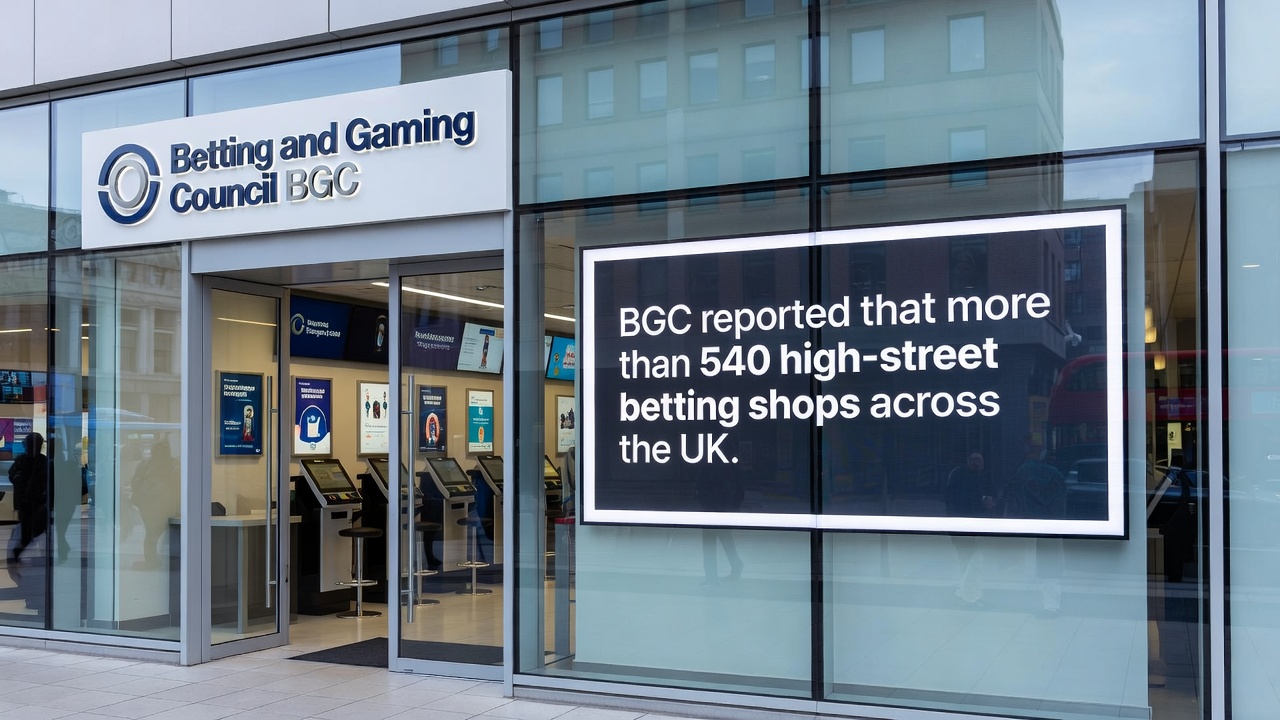
Betting shops, those high-street staples, generated £592 million in GGY for the quarter, representing nearly half—precisely 48.2%—of all non-remote gambling yield; across 5,782 venues, this output reflects steady footfall despite shifts toward online platforms, as punters place bets on horses, football, and more in physical spaces equipped with screens and counters. Data indicates shop numbers remained stable, hovering around this figure from prior periods, which experts attribute to operators consolidating locations while maintaining presence in communities.
Take the typical betting shop scene: crowds gather for live sports during July's European finals hangovers or September's early Premier League kicks, fueling GGY through fixed-odds machines and over-the-counter wagers; yet the £592 million total shows containment, perhaps from point-of-consumption taxes and licensing fees that trim margins, all reported meticulously to the Commission. And here's the thing—non-remote GGY beyond betting, like arcades and bingo halls, rounds out the picture, but betting's slice dominates, highlighting its enduring appeal even as digital alternatives proliferate.
People who've tracked these stats over years observe how shop GGY fluctuates with major events, yet Q2's consistency points to normalized activity post-summer peaks; with 5,782 shops operational, average yield per venue lands around £102,000, a figure that operators scrutinize closely heading into March 2026's fiscal wrap-up.
Remote Betting's Role in the £2.0 Billion RCBB Surge
Shifting online, the remote casino, betting, and bingo sector amassed £2.0 billion in GGY, where remote betting forms a key driver alongside slots and virtual games; this digital chunk, accessed via apps and sites, draws younger demographics and convenience seekers, contributing substantially to the overall £4.3 billion quarterly haul. Figures reveal how RCBB's growth trajectory persists, fueled by mobile wagering on everything from Premier League matches to greyhound races, all under strict licensing that mandates player protections like deposit caps.
But turns out, remote betting specifically embeds within this £2.0 billion, with trends showing spikes during evening hours when live streams pull in bets; operators report these yields after deducting prizes, and the Commission's data highlights compliance, as unlicensed activity stays minimal thanks to robust monitoring. One study of similar quarters found remote sectors outpacing physical by wide margins, a pattern evident here where RCBB alone nears half the total GGY.
Experts who've dissected the XLSX breakdowns note session lengths and device usage patterns, although Q2 aggregates keep it high-level; as March 2026 nears, projections based on this momentum suggest remote could push annual figures higher, provided regulatory tweaks—like enhanced frictionless checks—don't curb velocity too sharply.
Lotteries and Broader Market Composition
Layer in lotteries, which boost the £4.3 billion total significantly, as National Lottery draws and society lotteries pull in participation from casual players nationwide; GGY from these reached substantial shares, often stable due to fixed prize structures and widespread availability via retailers and online. The Commission's report folds these into the Great Britain aggregate, excluding Northern Ireland for jurisdictional reasons, yet the figures encompass all licensed lottery operators' yields.
So while betting shops and remote RCBB grab headlines, lotteries provide ballast, with data showing their GGY consistent across quarters; observers point to ticket sales during summer promotions or back-to-school periods as quiet contributors, ensuring the overall £4.3 billion doesn't hinge solely on sports wagering. And with financial year-end looming in March 2026, lottery performance will factor heavily into full-year assessments, where good causes funding—derived post-GGY—gets tallied publicly.
It's noteworthy that the quarter's total reflects licensed operators only, meaning black-market estimates fall outside; this purity in reporting lets analysts compare cleanly against prior periods, like Q1's baselines, revealing incremental lifts in remote while non-remote holds ground.
Regulatory Backdrop Shaping Q2 Performance
Licensed operators delivered these numbers amid tightening regulations, including the ongoing rollout of financial vulnerability checks and stake reductions on slots; the Gambling Commission, through its quarterly lens, verifies compliance, with GGY calculations standardized across segments. Non-remote betting's 48.2% shop dominance persists despite shop closures in lean years, now stabilized at 5,782 sites where staff training on safer gambling integrates daily.
Remote RCBB's £2.0 billion comes with strings attached—age verification, self-exclusion tools, and advertising curbs—all enforced rigorously, as data logs confirm; yet yields climb, suggesting players adapt while operators innovate within bounds. Heading toward March 2026, the sector eyes the Commission's annual review, where Q2's £4.3 billion slots into narratives on sustainability and consumer protection.
Those who've followed Commission publications know these stats inform policy, like potential remote levy hikes or shop rate reliefs; the reality is, Q2's figures equip stakeholders with ammunition for debates, balancing economic contributions against harm mitigation efforts.
Key Takeaways and Forward Glance
Recap the essentials: £4.3 billion GGY total, £592 million from 5,782 betting shops at 48.2% of non-remote, £2.0 billion RCBB enveloping remote betting—all for July-September 2025. Lotteries round it out, per the detailed industry statistics report.
As the financial year progresses toward March 2026, these Q2 benchmarks set expectations; operators refine strategies, regulators fine-tune oversight, and the market churns onward with betting at its heart.
Conclusion
The Gambling Commission's Q2 release solidifies a £4.3 billion GGY foundation for the year, blending shop resilience at £592 million from thousands of venues, remote RCBB momentum at £2.0 billion, and lottery steadiness; data underscores licensed performance amid regulations, offering a factual baseline as March 2026's full picture emerges. Observers await Q3 and Q4 to see if trends amplify, but for now, the sector demonstrates adaptability in familiar territory.