Mileage and Matches: Examining Travel's Role in Away Results Across English Lower Divisions
English football's lower divisions stretch across a compact island yet create substantial travel demands for teams outside the top flight. Clubs in League One, League Two and the National League often cover hundreds of miles by coach each season while facing opponents from distant regions and data compiled during the 2025-26 campaign shows measurable effects on away win rates.
Geographic Spread Defines the Challenge
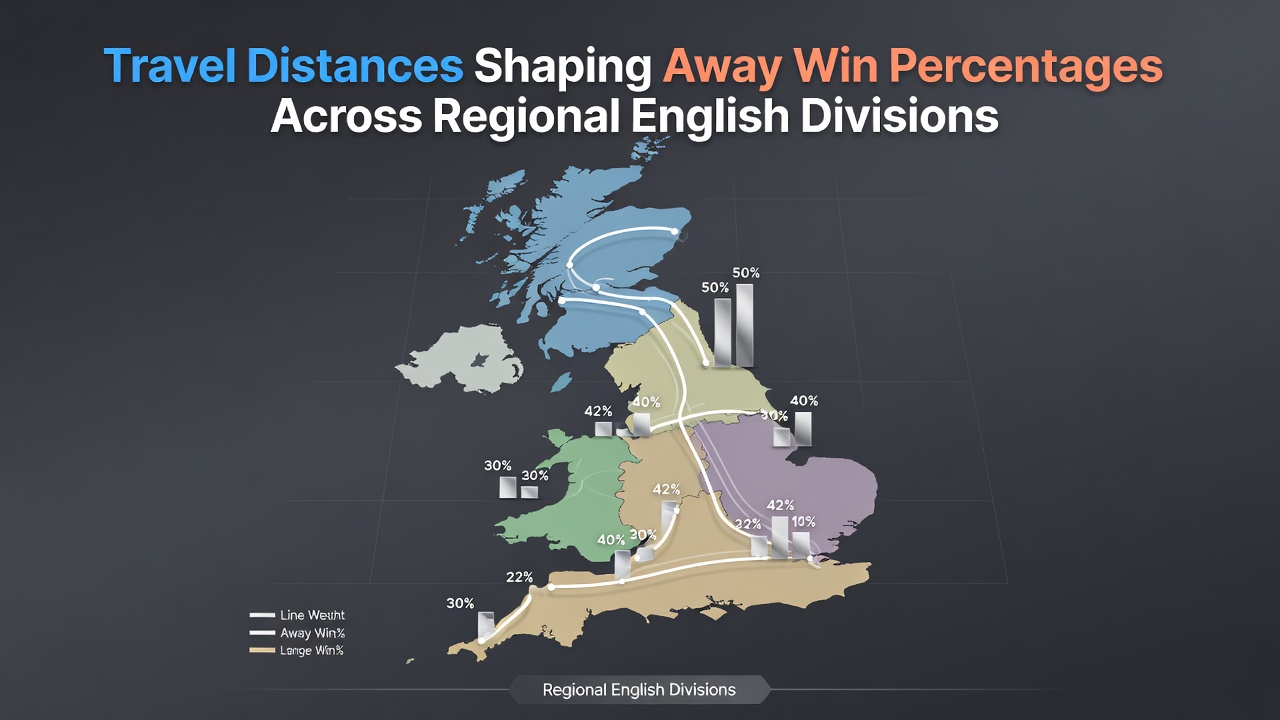
England's football pyramid places clubs from Cornwall to Northumberland in the same divisions at times which produces long journeys for away sides. Northern teams traveling to southern fixtures routinely exceed 300 miles one way whereas southern clubs heading north encounter similar distances and these patterns concentrate in the lower tiers where air travel remains rare.
Researchers tracking teh 2025-26 season noted that National League sides from the north recorded an away win percentage of 22 percent when facing southern opponents compared with 31 percent against nearer clubs and similar disparities appear across League Two where average journey times exceed four hours for cross-country matches.
Statistical Patterns in Away Performance
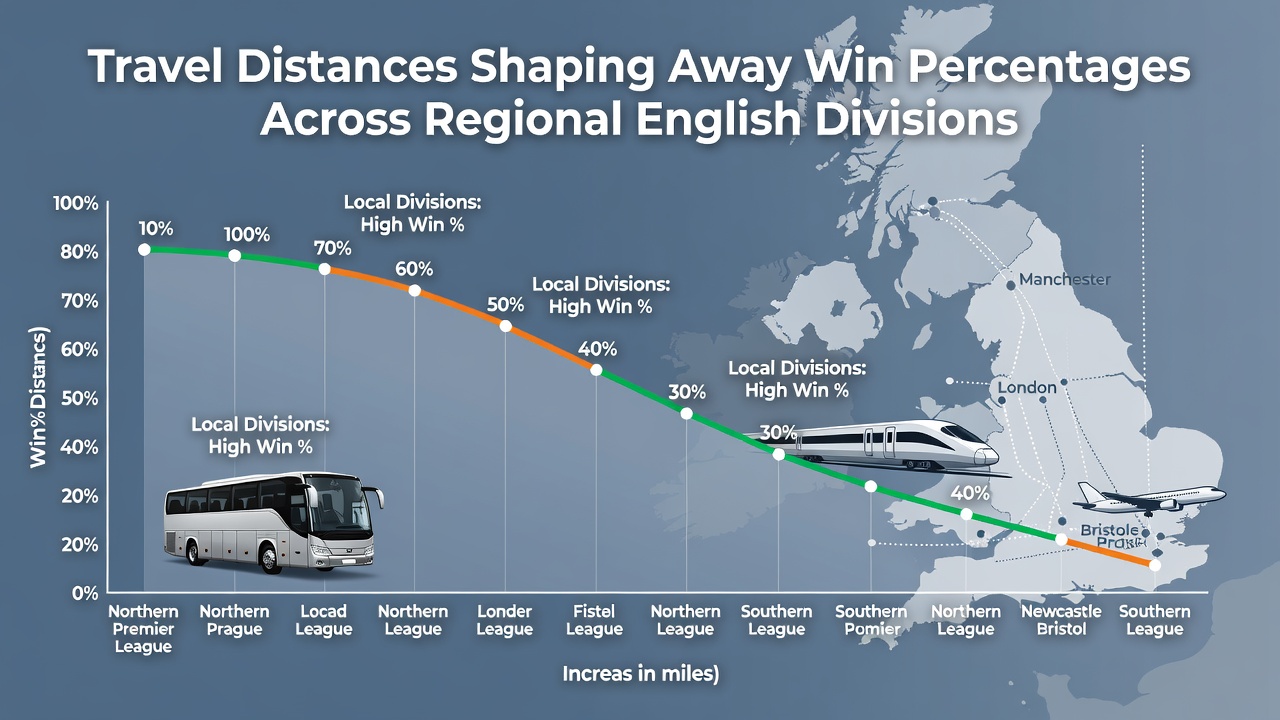
Figures compiled by the English Football League reveal that away teams in League One secured 27 percent of points from fixtures involving travel over 200 miles during the first half of the 2025-26 season. In contrast shorter trips under 100 miles yielded 34 percent of available points for visiting sides and the gap widens in League Two where extended travel correlates with a 9 percentage point drop in win rates.
National League data follows the same trend. Clubs based in the south west posted an 18 percent away win rate on journeys exceeding 250 miles yet achieved 29 percent when traveling shorter distances and analysts attribute part of the difference to recovery time between matches.
Regional Divisions Highlight the Divide
The north-south split produces the clearest examples. A team such as Carlisle United faces regular long hauls to clubs in Devon or Sussex while Torquay or Plymouth encounter equivalent distances northward and records from June 2026 show these fixtures continue to test squad depth across multiple divisions.
East-west travel adds further variables. Clubs from the north east traveling to the north west often cover moderate distances yet still experience fatigue effects because of congested motorways and data indicates a modest but consistent reduction in away results for teams completing these routes compared with local derbies.
Additional Factors Intersect With Distance
Travel alone does not determine outcomes. Squad rotation policies, weather conditions and fixture congestion all interact with mileage and studies from the University of Loughborough's sports science department indicate that teams with deeper benches maintain higher away win percentages even on longer trips.
Opposition strength remains the dominant variable according to EFL performance reports yet distance exerts a secondary influence that becomes statistically visible across large sample sizes and observers tracking multiple seasons note the effect persists after controlling for team quality.
Comparative Insights From Other Leagues
Patterns observed in England find parallels elsewhere. Research published by the Australian Sports Commission on domestic football competitions shows similar declines in away performance when travel exceeds 200 kilometres and the consistency across different geographies supports the view that recovery time plays a measurable role.
Within England the effect appears strongest in the fifth and sixth tiers where budgets limit access to advanced recovery methods. League One and League Two clubs sometimes mitigate the impact through earlier departures or overnight stays yet National League sides frequently complete same-day returns and the data reflects those constraints.
Conclusion
Travel distances shape away win percentages across England's regional divisions in measurable ways. Statistics from the 2025-26 season demonstrate lower success rates for visiting teams on extended journeys while shorter trips produce comparatively stronger results. The patterns hold across League One, League Two and the National League although squad resources and fixture schedules modify the scale of the impact. As the season progresses into June 2026 these geographic realities continue to influence outcomes in the lower tiers of English football.