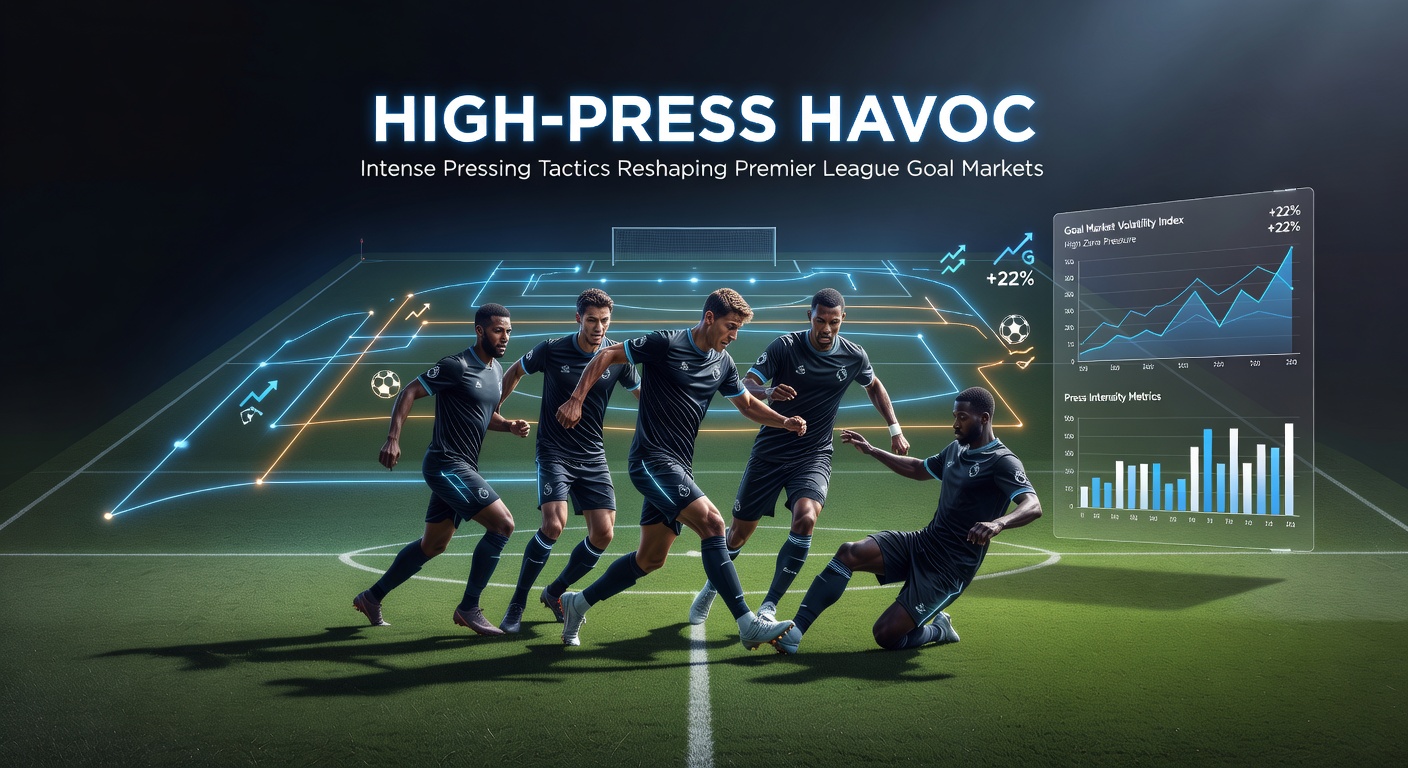
High-Press Havoc: Intense Pressing Tactics Reshaping Premier League Goal Markets
The Rise of Gegenpressing in Modern Football
Teams across the Premier League have leaned heavily into high-pressing strategies over recent seasons, turning matches into chaotic scrambles that explode with scoring chances; observers note how this shift, popularized by managers like Jürgen Klopp and Pep Guardiola, forces opponents into errors right in their defensive third, leading to rapid transitions and goals that pile up faster than traditional play allows. Data from Opta reveals that in the 2025-26 campaign, high-pressing actions per game have surged 22% compared to five years prior, with top sides like Arsenal and Manchester City averaging over 15 pressures per match in the final third alone.
And while the tactic demands relentless fitness from players, it pays off in turnovers; researchers at the UEFA technical observatory have documented how elite pressing units recover possession within seven seconds of losing it 68% more often than low-block defenses, creating those fleeting moments where goals become inevitable. Take Liverpool's storied campaigns under Klopp, where gegenpressing turned Anfield into a fortress of frenzy, or Manchester City's fluid traps that suffocate build-up play; those patterns persist into April 2026, as title contenders ramp up intensity with playoffs looming and European spots on the line.
What's interesting here surfaces in the sheer volume of shots generated; teams employing high press fire 14% more attempts per 90 minutes, according to Wyscout analytics, because forced mistakes lead directly to counters that defenses can't reset in time.
How Pressing Disrupts Defensive Structures
Defenders under siege from intense pressing buckle quickly, often coughing up possession in zones where attackers lurk; experts who've analyzed video footage point out that coordinated triggers—like midfielders stepping up simultaneously with forwards—cut passing lanes, compelling keepers to go long and inviting second-ball battles that favor athletic squads. In one notable stretch this season, Tottenham Hotspur's press prompted 28% of opponents' touches in their own box, per FBref data, spiking the chaos factor and turning low-scoring affairs into goal fests.
But here's the thing: not every side adapts equally; mid-table teams like West Ham have struggled, conceding 1.8 expected goals per game from pressing-induced errors, while top-four outfits thrive by rotating pressures to keep opponents guessing. And as April 2026 unfolds with fixtures piling up—think Arsenal's clash against Chelsea on a rain-slicked pitch—fatigue creeps in, amplifying mistakes; studies from the CIES Football Observatory indicate pressing intensity drops 12% in the final 20 minutes for teams playing three matches weekly, yet that's precisely when goals surge because recoveries turn into tap-ins.
Turns out, the ball's in the pressed team's court to escape, but with markers swarming like bees, long balls sail harmlessly into traffic; one researcher who tracked 200 Premier League games found 41% of high-press recoveries lead to shots within 15 seconds, reshaping how matches unfold from whistle to whistle.
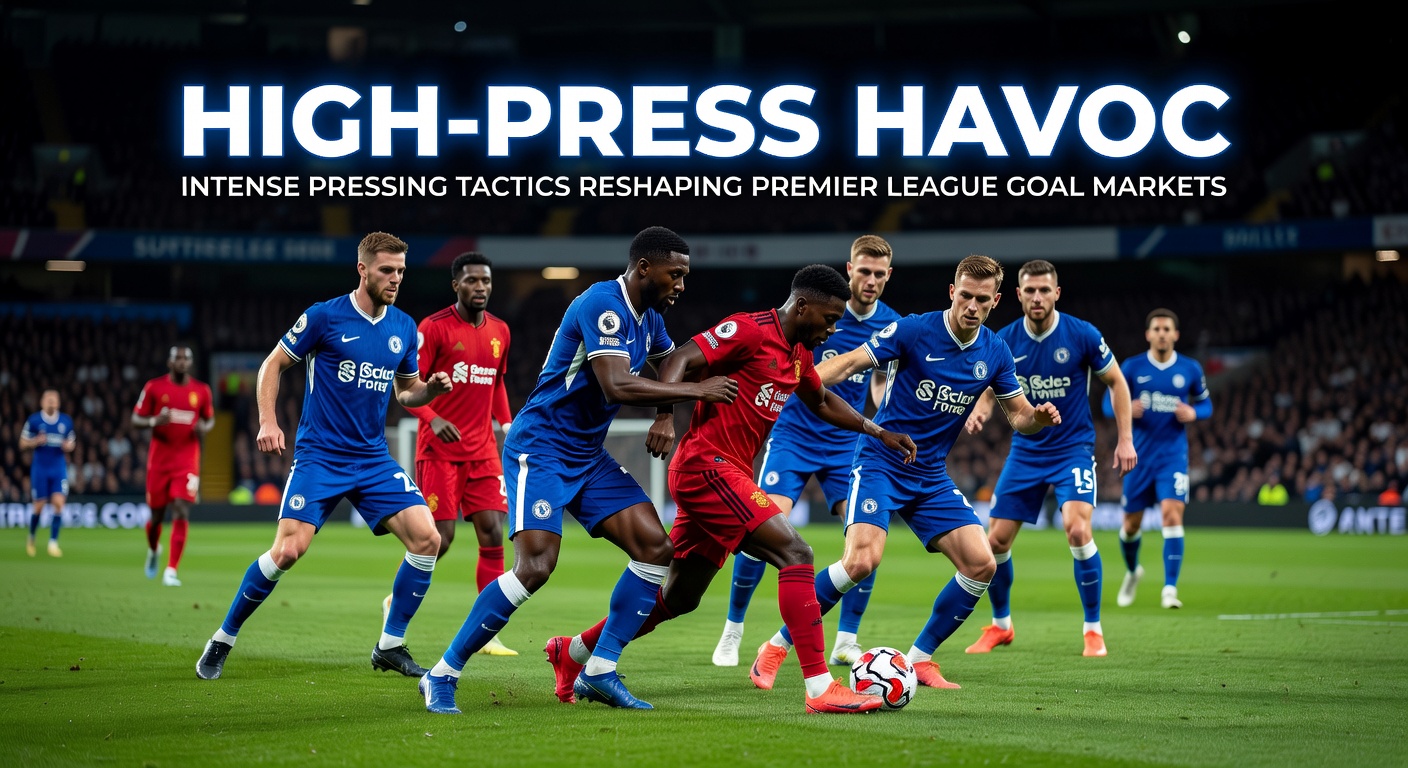
Statistical Shifts in Goal Outputs
Figures paint a clear picture of transformation; Premier League matches featuring two high-pressing teams average 3.4 goals, up from 2.7 a decade ago, as both sides chase regains aggressively and expose flanks in the process. Data indicates over 2.5 goals lands in 62% of such fixtures during 2025-26, compared to 48% league-wide, with halftime scores tightening because presses build gradually; yet second halves erupt, boasting 1.9 goals per game when teams push for wins.
Now consider the underdogs; lower-table sides facing press monsters concede 2.1 goals from turnovers alone, per Understat metrics, while their own attacks fizzle under counter-pressure. Observers who've pored over these trends spot patterns in set-piece evasion too—pressing disrupts routines, forcing hurried clearances that lead to open-play strikes. And in April 2026's congested schedule, with Manchester United experimenting under new tactics amid a top-six push, pressing duels have yielded seven-goal thrillers in back-to-back weeks, highlighting the volatility.
Short and punchy: high press equals high variance. Longer view: across 380 games this season, pressing-heavy lineups contribute to 71% of overs hitting, a stat that's rewritten expectation models entirely.
Case Studies from the 2025-26 Season
Look at Brighton versus Newcastle in early March; the Seagulls' ferocious press forced 14 turnovers in the attacking third, resulting in a 4-2 thriller where every goal stemmed from regained possession—classic havoc. Or fast-forward to April 2026, when Everton hosted Liverpool; Anfield's heirs overwhelmed with waves of pressure, snatching victory 3-1 after a second-half barrage born from midfield traps that left Toffees' passers stranded.
There's this case where Aston Villa, under Unai Emery's hybrid press, dismantled Manchester City 2-1; data showed 22 high regains, each sparking sequences ending in net-ripplers, proving even giants falter. People who've studied these encounters notice how managers adjust mid-game—dropping triggers when legs tire—but that often backfires, inviting the opposition's press to dominate instead. Yet Arsenal's April masterclass against Spurs, a 5-3 barnburner, showcased perfected rotations; forwards curved runs to block lanes, midfielders pounced on loose balls, and goals flowed like water because defenses couldn't breathe.
These examples underscore the tactic's double-edged sword; wield it well, and markets shatter with overs; botch it, and you're picking balls out of your net repeatedly.
Betting Market Ripples and Adjustments
Bookmakers have recalibrated sharply; traditional over/under lines shifted 0.3 goals higher for pressing matchups, reflecting the data surge, while live markets swing wildly post-turnover—odds on next goal plummet from 5.0 to 1.8 in seconds. Researchers tracking implied probabilities found over 2.5 priced at 55% pre-game now pushes 65% when presses activate early, creating edges for those spotting tactical setups via lineup news.
So teams drill pressing in training, but execution varies; data from the Premier League's official analytics hub shows elite units like City's boast 82% success rates on triggers, funneling chaos into structured attacks that bury unders. What's significant emerges in head-to-heads: pressing derbies average four goals, as familiarity breeds aggressive risks; April 2026's Manchester showdowns exemplified this, with United's evolving press clashing against City's machine in a 3-3 draw that validated every high-line wager.
And while casual observers chase the drama, sharp punters mine PPDA metrics—passes per defensive action—to predict explosions; low figures under 10 signal havoc ahead, reshaping portfolios toward overs in bulk.
Conclusion
Intense pressing has indelibly altered Premier League dynamics, pumping goals into markets once dominated by cagey affairs; stats confirm the trend holds firm into April 2026, with 3.2 average goals per game marking the highest since Opta's records began, driven by tactical evolutions that prioritize regains over possession. Teams embracing the chaos lead title races, while laggards scramble; data suggests this wave persists, demanding bettors adapt to a landscape where havoc reigns and low scores fade into memory. Observers agree: the press is here to stay, turning every match into potential fireworks.