
Gordon Brown's Machine Games Duty Proposal Raises Stakes for Betting Industry Funding
Former UK Prime Minister Gordon Brown proposed an increase in machine games duty on gaming machines located in betting shops and adult gaming centres during an appearance on BBC Radio 4's Today programme in August 2026, and this move could generate up to £500 million to support households facing higher energy bills. The suggestion ties directly to actions expected from new Prime Minister Andy Burnham, while industry groups including the British Horseracing Authority and the Betting and Gaming Council issued immediate warnings about potential shop closures, job reductions, and shifts toward unregulated markets.
Details of the Tax Adjustment Proposal
Brown outlined the plan as a targeted adjustment to existing machine games duty rates, which apply specifically to fixed-odds betting terminals and similar devices in licensed venues. Revenue estimates from the proposal reach £500 million annually, with those funds earmarked for energy bill assistance programs amid ongoing household cost pressures. The timing aligns with Burnham's early policy agenda, and observers note that the former prime minister positioned the duty hike as a straightforward revenue tool that draws from the gambling sector without broader tax reforms.
Current machine games duty stands at 20 percent for certain gaming machines, yet Brown advocated for an uplift that would capture additional proceeds from high-volume operations in betting shops and adult gaming centres. Data referenced during the broadcast showed steady machine usage patterns across the UK, and the suggested changes would apply uniformly to both betting shop terminals and those in dedicated adult centres. This approach avoids online gambling platforms, which fall under separate regulatory frameworks.
Industry Response and Projected Impacts
The British Horseracing Authority and Betting and Gaming Council responded quickly with joint statements that highlighted risks of accelerated betting shop closures across the country. They pointed out that higher machine games duty would compound existing cost pressures, leading to reduced staffing levels and fewer operational sites in many regions. Funding streams for horse racing, which rely on the betting levy and media rights agreements, could face shortfalls if shop numbers decline further.
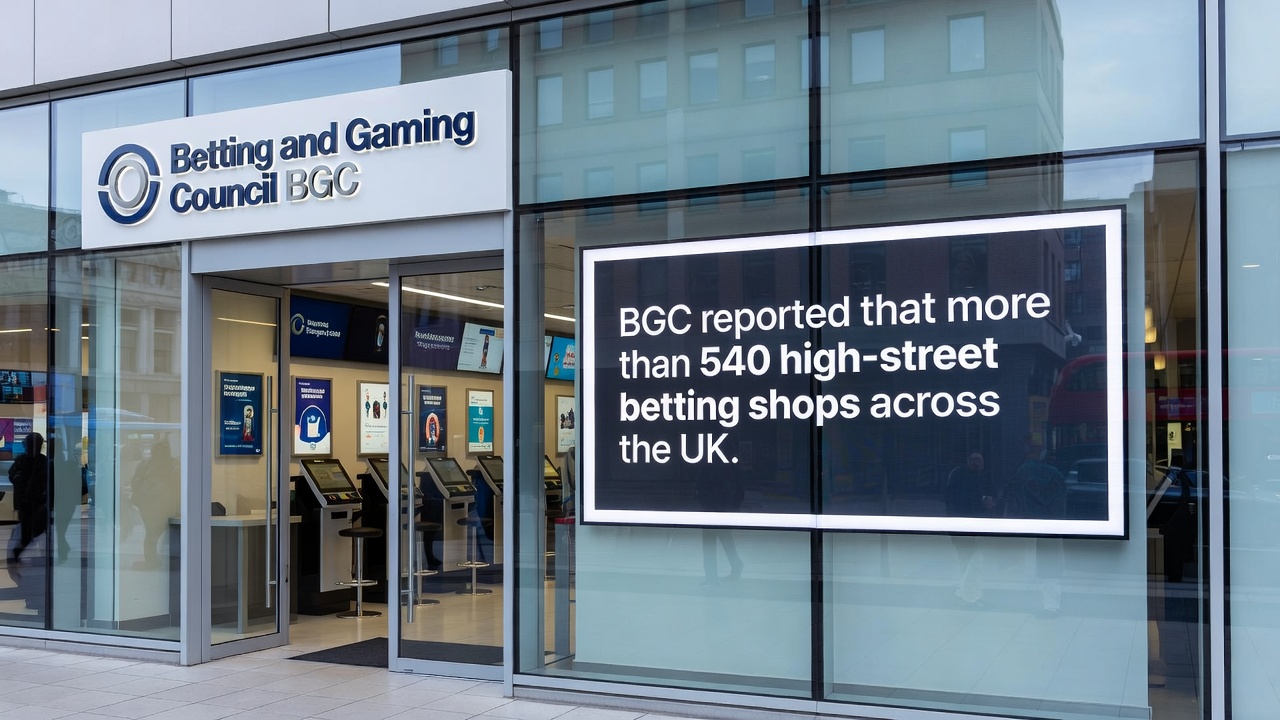
Representatives from both organisations emphasised that increased taxation might push some customers toward unregulated black market operators, where consumer protections remain minimal. Betting and Gaming Council data indicates that recent years have already seen a measurable drop in licensed betting shop counts, and additional duty burdens would accelerate that trend according to their analysis. The British Horseracing Authority added that any reduction in levy contributions would directly affect prize money and infrastructure support for the racing sector.
Revenue Allocation and Energy Bill Context
Under Brown's outline, the projected £500 million would flow into government programs designed to offset rising household energy costs, particularly for lower-income families. The proposal connects the gambling sector's machine revenues to broader fiscal support mechanisms, and it avoids new borrowing or general taxation increases. Government estimates suggest energy assistance programs require sustained funding through 2027, and this duty adjustment offers one potential source without affecting income tax thresholds or VAT rates.
Analysts tracking gambling tax receipts note that machine games duty already contributes several hundred million pounds each year, so the proposed uplift represents a significant but contained expansion of that base. The focus remains on physical machines in betting shops and adult gaming centres, while online slots and casino games stay outside the immediate scope. This distinction matters because land-based venues have faced steeper regulatory scrutiny in recent policy cycles compared with digital platforms.
Connections to New Leadership and Policy Timing
Burnham's incoming administration faces early expectations around cost-of-living measures, and Brown's intervention on machine games duty arrives at a moment when fiscal options remain under active review. The former prime minister referenced the need for quick revenue wins that align with existing regulatory structures rather than requiring new legislation. Industry observers have tracked similar tax adjustment discussions in past years, yet the £500 million target marks a specific benchmark tied to current energy market conditions.
Betting shop operators have already adjusted business models in response to earlier stake limits and responsible gambling requirements, and the additional duty pressure would require further operational reviews. The Betting and Gaming Council has referenced internal modelling that forecasts site viability thresholds under higher tax scenarios, while the British Horseracing Authority continues to monitor downstream effects on racing sponsorship and media rights deals.
Broader Market and Regulatory Considerations
Any duty increase would take effect through amendments to existing finance legislation, and implementation timelines could stretch into 2027 depending on parliamentary scheduling. Licensed operators maintain that compliance costs have risen steadily, and further tax layers could influence decisions about venue modernisation or expansion plans. The black market warning from industry bodies stems from observed customer migration patterns in jurisdictions that raised gambling taxes sharply in prior periods.
Those monitoring the sector point out that adult gaming centres operate under different licensing conditions than traditional betting shops, yet both categories fall under the machine games duty umbrella. This overlap means the proposed changes would affect a wide range of venues that host electronic gaming terminals. Revenue projections assume stable machine usage levels, although operators caution that customer behaviour could shift if prices adjust to cover the higher duty.
Conclusion
Gordon Brown's machine games duty proposal sets out a clear revenue target of £500 million while triggering immediate pushback from the British Horseracing Authority and Betting and Gaming Council over closures and funding risks. The plan links directly to energy bill relief efforts under new Prime Minister Andy Burnham, and it centres on gaming machines in betting shops and adult gaming centres. Industry estimates suggest measurable impacts on employment and racing contributions if the changes proceed, with potential movement toward unregulated alternatives also flagged in official responses. The discussion continues as policymakers weigh the fiscal benefits against operational consequences for the licensed sector.