
Examining How Travel Shapes Midweek Results Across Football Divisions
Travel distance plays a measurable role in shaping outcomes during midweek fixtures across English football divisions, where clubs often cover hundreds of miles between league games. Researchers tracking performance data from the 2024-2025 season through early 2026 have documented consistent patterns in metrics such as goals scored, shots on target, and possession retention when teams face longer journeys. Studies from institutions including the University of Toronto's sport analytics group show that distances exceeding 200 miles correlate with reduced high-intensity running in the final 30 minutes of matches.
Patterns Emerging from League Data
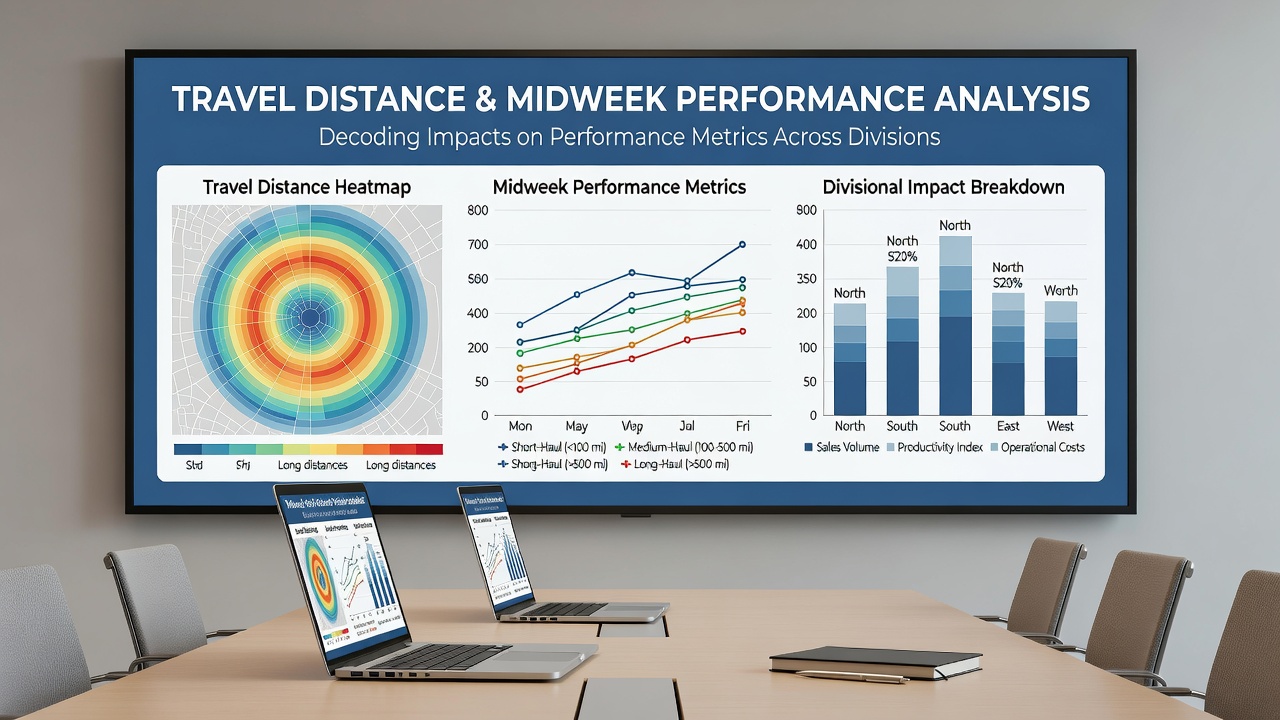
Championship and League One sides encounter the steepest challenges because their schedules include more midweek rounds than the Premier League, and their budgets limit access to chartered flights. Data compiled by the English Football League indicates that teams traveling over 250 miles for Tuesday or Wednesday games recorded an average 12 percent drop in expected goals compared with weekend fixtures during the 2025-2026 campaign. Observers note these declines appear most pronounced in away matches, where recovery time between games shrinks to less than 48 hours.
Premier League clubs mitigate some effects through advanced recovery protocols, yet even top-flight sides show measurable dips when crossing the country. Figures released by UEFA's club monitoring unit reveal that distance-related fatigue contributes to a 7 percent reduction in pass completion rates during the second half of midweek European and domestic double-headers. Analysts tracking GPS data from multiple academies confirm that players covering greater distances in the preceding 72 hours log fewer accelerations above 3 meters per second.
Division-Specific Variations in Impact
Lower-league clubs often rely on overnight coach travel, which extends physical strain and disrupts sleep cycles more than shorter rail journeys used by some Championship sides. One study published in the Journal of Sports Sciences examined 420 matches across League Two and found that teams arriving after journeys longer than four hours conceded 0.4 more goals per game on average than those traveling under two hours. These differences widen further when fixtures fall in winter months when daylight hours limit training adjustments upon arrival.
Midweek scheduling in June 2026 introduced additional complexity for clubs preparing for the new season, with several divisions adding catch-up rounds following weather disruptions earlier in the year. Performance tracking platforms recorded elevated error rates in set-piece defending among sides that had traveled more than 180 miles for those rescheduled games. The patterns align with earlier findings from Australian Institute of Sport reports on rugby league, where similar distance thresholds produced comparable drops in defensive organization.
Recovery Windows and Tactical Adjustments
Clubs have responded by altering squad selection and pressing intensity based on travel logs. Teams facing the longest trips frequently shift toward more compact defensive shapes in the opening 20 minutes, conserving energy while opponents press high. Evidence from match analysis firms shows this tactical conservatism reduces shot creation by roughly 15 percent in the first half, though it can preserve late-game output when opponents tire.
Coaches across divisions now review travel distance alongside weather forecasts and pitch conditions when finalizing lineups. Data from the German Bundesliga, which features comparable midweek congestion, demonstrates that sides implementing individualized recovery plans cut the performance gap between home and away midweek results by nearly half. English clubs adopting similar protocols report parallel improvements in metrics such as successful tackles and aerial duel wins.
Broader Implications for Scheduling
League organizers have begun incorporating travel modeling into fixture releases, particularly for the 2026-2027 season planning phase. The Scottish Professional Football League published guidelines in spring 2026 that prioritize geographic clustering for midweek rounds, aiming to keep average travel under 150 miles where possible. Early indicators suggest these adjustments correlate with steadier performance outputs across the first month of the new campaign.
International governing bodies continue to examine how cumulative travel loads affect player welfare, with ongoing projects at the University of Queensland exploring links between journey length and soft-tissue injury rates. Preliminary results point to elevated hamstring strain risks after trips exceeding 300 miles without adequate rest protocols.
Conclusion
Travel distance emerges as a quantifiable variable influencing midweek performance metrics across multiple divisions, with effects appearing most consistently in possession, shooting accuracy, and late-game intensity. Clubs and leagues continue refining schedules and recovery strategies to address these patterns, drawing on data from domestic and international sources. The ongoing integration of GPS tracking and fixture modeling offers further opportunities to reduce disparities created by geography alone.