
UK Gambling Commission Pushes Back on FRA Misconceptions as Industry Voices Concerns
Observers in the UK gambling sector watched closely in April 2026 as the Gambling Commission stepped up to defend its proposed Financial Risk Assessments—or FRAs—against a wave of industry backlash, with Director of Major Policy Projects and Evaluation Helen Rhodes directly addressing rumors that have been swirling around these checks.
What FRAs Actually Entail Amid the Rumors
Rhodes made it clear during recent statements that claims of blanket spending caps on bettors simply don't hold up; she refuted those notions outright by saying, "This is not the case," emphasizing instead how FRAs zero in on just the top 3% of high-spending customers to gauge whether they're facing financial difficulties through open banking data.
That targeted approach, which pulls in real-time financial insights without disrupting most users, stands out because it avoids the one-size-fits-all restrictions that critics had feared; meanwhile, Minister Ian Murray backed this up by pointing to pilot programs where 97% of assessments ran frictionlessly, meaning no extra hurdles for the vast majority.
What's interesting here is how pilot data paints a stark picture of those affected customers—they're 2-4 times more likely to carry debt management plans compared to average punters, a finding that underscores why regulators see value in these checks even as operators push back.
Industry Backlash Meets Regulatory Resolve
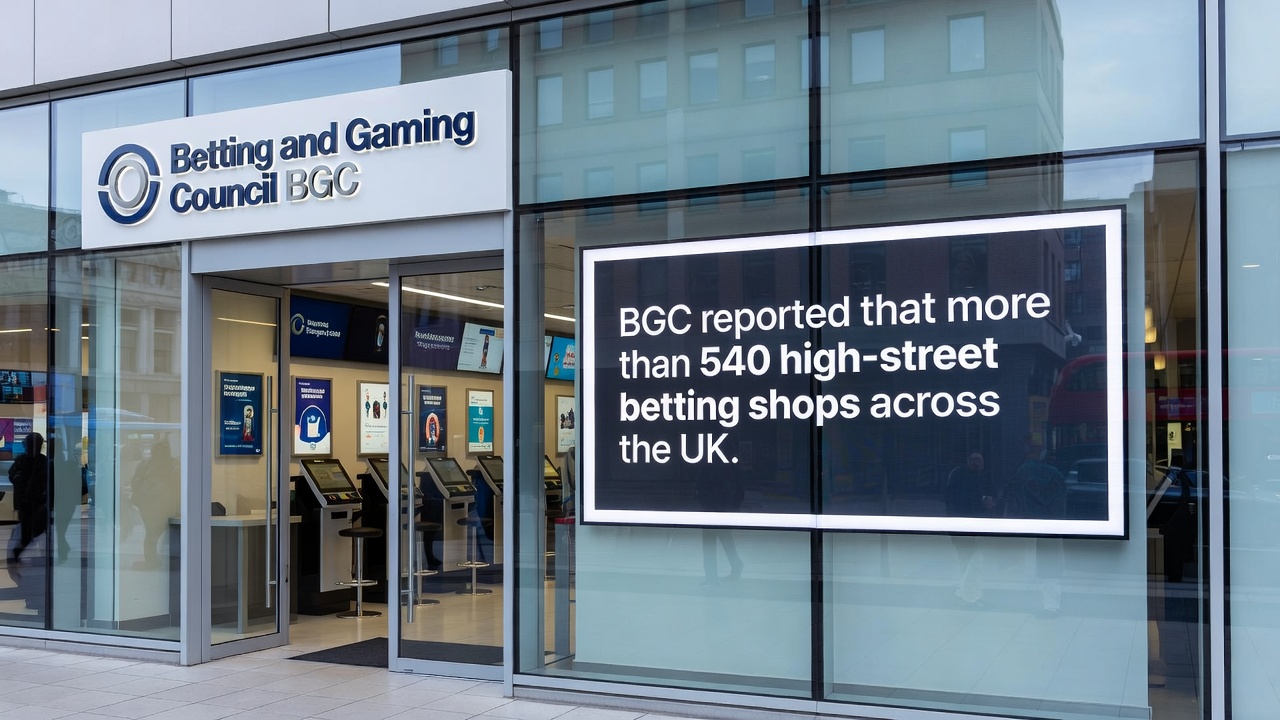
The Betting and Gaming Council, representing major players in the space, has voiced strong opposition, arguing that such measures could drive bettors underground; their recent note on over £100m wagered on black market sites during the Aintree Festival highlights an emerging trend in unregulated betting that regulators can't ignore.
Yet the Commission holds firm, with Rhodes and her team framing FRAs as a precise tool rather than a broad clampdown, one designed to protect vulnerable high rollers while letting casual punters carry on uninterrupted; this comes against the backdrop of the 2023 Gambling Act review White Paper, which laid groundwork for affordability checks to curb problem gambling without stifling the market.
Take one operator executive who spoke off-record—they noted how early fears of universal caps stemmed from misreadings of the proposals, but now with Rhodes' clarification, the conversation shifts toward implementation details and how frictionless checks can scale up.
Pilot Insights Reveal the Real Risks
Data from those pilots, as shared by the Commission, drives home the necessity of FRAs by showing how the top 3% cohort grapples with outsized financial pressures; customers in this group not only wager heavily but also show elevated rates of debt issues, making open banking a logical verifier before losses spiral further.
Murray's affirmation that 97% of checks would breeze through without intervention—that's the kind of stat that eases industry nerves, since it promises minimal disruption for the 97% of bettors outside that high-spend bracket; and while the remaining 3% face deeper scrutiny, the process aims to flag genuine risks rather than impose arbitrary limits.
Here's where it gets interesting: the Aintree Festival black market surge, pegged at over £100m by the Betting and Gaming Council, serves as a cautionary tale, because if regulated checks push even a fraction of high spenders offshore, those unregulated sites—often lax on protections—could amplify harms that FRAs seek to prevent.
Balancing Protection and Market Health
Experts who've tracked similar regulatory moves across Europe observe that targeted assessments like these often strike a workable balance, protecting those in the red zone without alienating the broader customer base; Rhodes' rebuttal cuts through the noise by refocusing on facts over fears, ensuring stakeholders grasp that no blanket caps loom on the horizon.
Now consider the pilots in action—one study of the data revealed those 2-4 times higher debt management plan incidences among flagged users, a multiplier that regulators cite as evidence FRAs aren't overreach but a calibrated response to patterns already evident in spending data.
And as the Commission rolls out more details in April 2026, industry groups like the Betting and Gaming Council keep the pressure on, highlighting black market vulnerabilities to argue for tweaks that keep punters in licensed environments; that dynamic—regulators defending precision while operators flag evasion risks—defines the ongoing tug-of-war.
Stakeholder Reactions and Next Steps
Helen Rhodes' direct intervention resonated widely, with her "This is not the case" becoming a soundbite that punctures exaggerated claims; paired with Murray's pilot-backed optimism, it signals the government's commitment to rolling out FRAs under the Gambling Act framework without derailing everyday betting.
People in the sector who've followed the SBC News coverage of these developments note how the top 3% focus addresses real inequities, since high spenders disproportionately fuel both revenues and risks; yet the Council's £100m black market figure during Aintree looms large, a reminder that overly stringent checks might inadvertently boost illicit operators.
So the ball's in the industry's court to engage constructively, as pilots prove most assessments won't snag the average punter; those who've tested similar open banking tools report smooth integrations, with frictionless paths dominating outcomes.
Broader Implications for UK Betting in 2026
Turns out, this FRA defense lands at a pivotal moment, with April 2026 seeing heightened scrutiny on how regulations adapt to digital wagering trends; the Commission's stance—that checks target financial distress signals via open banking, not cap spends arbitrarily—aims to safeguard the 3% at risk while preserving market vitality.
Data underscores the stakes: pilot participants with debt plans outnumbered controls by factors of 2-4, validating the need for proactive verification; meanwhile, Minister Murray's 97% frictionless projection offers reassurance that tech can handle scale without bogging down users.
But here's the thing—the black market's Aintree windfall, exceeding £100m according to the Betting and Gaming Council, spotlights a shadow economy ready to absorb displaced action if licensed sites falter under compliance burdens; observers note this trend could accelerate if FRAs veer toward heavier touch.
Conclusion
The UK Gambling Commission's firm defense of Financial Risk Assessments in April 2026 clarifies a contentious proposal amid industry pushback, with Helen Rhodes debunking blanket cap myths and pilots confirming a targeted, mostly seamless rollout for the top 3% of spenders. Data reveals these customers face heightened financial vulnerabilities—2-4 times the debt management rates of others—while Minister Ian Murray highlights 97% frictionless checks as a low-friction reality. Yet the Betting and Gaming Council's alert on £100m black market bets at Aintree underscores evasion risks, setting the stage for nuanced refinements as stakeholders navigate this regulatory pivot. In the end, FRAs emerge not as spending shackles but as data-driven safeguards, poised to shape safer betting landscapes without alienating the core market.